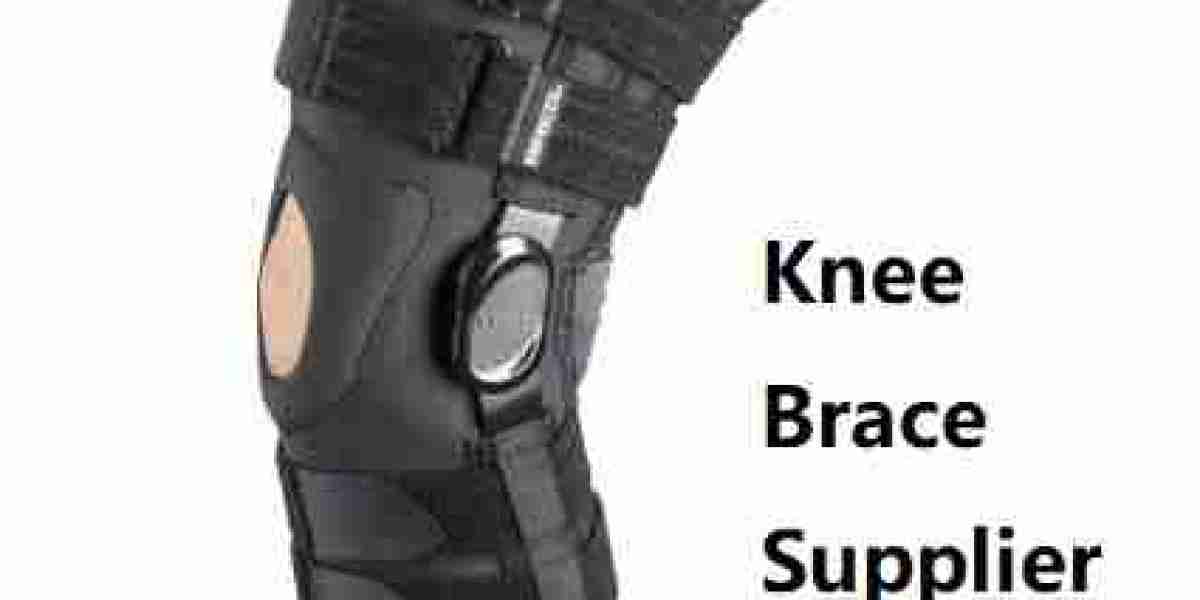

A well-organized production process can make a meaningful difference when businesses are planning support products. A Knee Brace Factory such as Steriger brings together design concepts, material selection, construction details, production coordination, and product presentation. For buyers, looking at how these elements connect can provide a clearer perspective when preparing a new product project.
Production begins long before a finished item leaves the factory. An initial concept may involve expectations about appearance, structure, intended application, or wearing experience. Turning these ideas into a workable product requires careful communication between the buyer and production team. Clear requirements provide a useful starting point for discussing materials, construction, and other product details.
Material coordination is one part of this process. Different components may contribute different characteristics to the finished design. Flexible materials can support movement, while structured components may provide a particular form or appearance. Combining these elements requires attention to how they interact rather than considering each component separately.
Production flow is another aspect worth considering. A product moves through several stages before becoming ready for its intended market. Cutting, assembly, fastening, inspection, finishing, and packaging may all form part of the overall workflow. Keeping these stages connected can help maintain a consistent product concept from beginning to end.
Customization can add another layer to production planning. Businesses may have preferences concerning product appearance, configuration, packaging, or other details. Discussing these requirements at an early stage gives both sides an opportunity to consider what can be incorporated into the product plan. This can be especially useful when a product needs to fit a particular market identity.
The factory environment also matters from a buyer's perspective. Organized production areas, clear workflows, and careful handling can contribute to a smoother purchasing experience. Buyers may also benefit from discussing product requirements directly, allowing questions to be addressed before production arrangements are finalized.
Product inspection is another practical part of the manufacturing journey. Reviewing construction, fastening, material placement, finishing, and overall appearance can help identify details that require attention. A considered inspection process keeps the focus on whether the finished product reflects the agreed design direction.
Packaging should not be overlooked either. It is the point where a product transitions from production into presentation. Suitable packaging can help protect the item during handling while also providing a clear presentation for buyers, distributors, and end users.
For businesses developing a support-product range, factory selection is therefore closely connected with the entire product journey. The value of a production relationship lies not only in the finished item, but also in the communication, coordination, and attention to detail behind it.
A new product idea does not have to remain on paper. Visit https://www.steriger.com/product/ and take a closer look at the possibilities available for your next project. Browse with your own requirements in mind, gather fresh ideas, and see where your next product direction could begin.