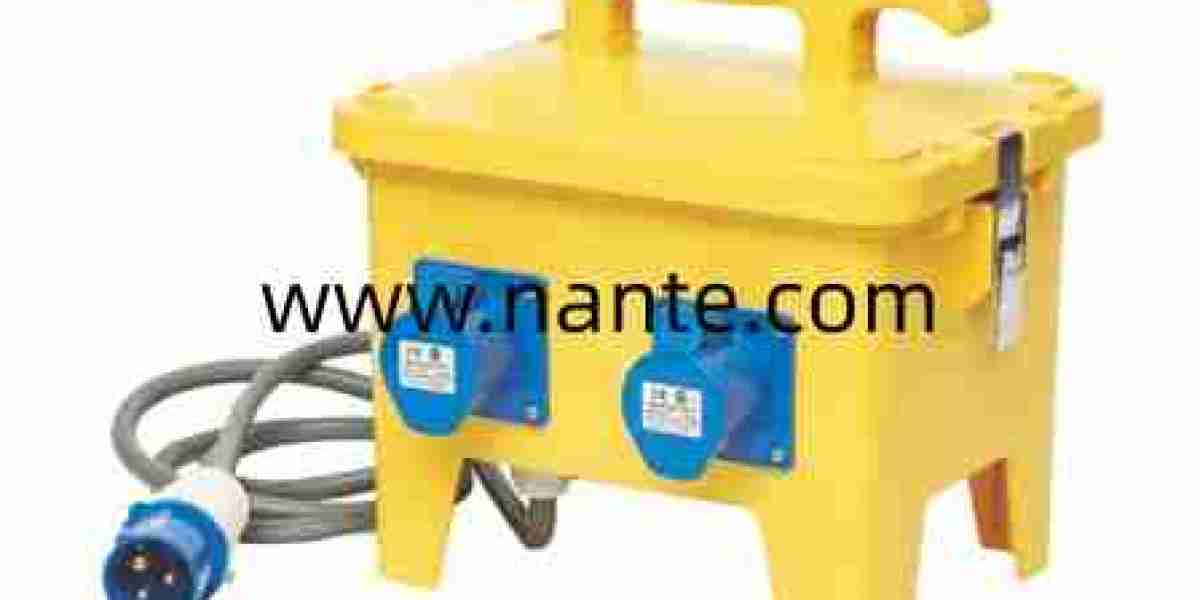

A Distribution Socket Box from Nante offers a practical approach to arranging electrical outlets for workplaces where equipment access and connection management are essential. In manufacturing areas, maintenance workshops, commercial facilities, and temporary work zones, a well-planned distribution unit can bring multiple connection points into a clear, manageable arrangement. Selecting a suitable product requires attention to the electrical supply, connected equipment, installation environment, and practical needs of the people who use the system.
Power access can influence how a workspace functions throughout the working day. When outlets are poorly positioned, workers may need longer cable routes or additional adjustments to connect equipment. A carefully planned distribution arrangement helps position connection points according to operational requirements. Before selecting a unit, project teams should consider where equipment will be used, how cables will be routed, and whether the installation needs to accommodate changing work activities.
Compatibility is a central consideration during product selection. Electrical tools, machinery, and auxiliary equipment may require different socket formats and electrical characteristics. Buyers should confirm that the proposed configuration matches the intended supply and connected devices. The arrangement should also accommodate appropriate protective components and wiring accessories. Checking these details before purchasing can help prevent installation delays caused by unsuitable connections.
The enclosure itself must be appropriate for its surroundings. Workshops and industrial areas may involve dust, moisture, vibration, cleaning activities, or accidental contact with nearby objects. Buyers should review the housing material, construction, sealing features, and documented protection rating to determine whether the product fits the intended environment. Outdoor or demanding applications require particular attention to the conditions the complete assembly is designed to withstand.
Installation planning can make a meaningful difference to usability. Mounting position, support requirements, cable entry direction, and access clearance should be assessed before work begins. A well-positioned unit can keep connection points accessible while reducing interference with walkways, machinery, and routine activities. Suitable cable management also helps maintain an orderly workspace and makes it easier to identify the routes serving individual pieces of equipment.
Another consideration is the ease of inspection and servicing. Electrical connection points require appropriate checks throughout their operating life, and maintenance personnel need access to relevant components. A practical enclosure arrangement can support clear identification and help qualified technicians carry out authorized inspections. Buyers should consider how covers are accessed, how cables enter the housing, and whether the planned installation leaves sufficient working space for service tasks.
For procurement teams, product documentation helps connect technical requirements with purchasing decisions. Information about dimensions, socket configuration, materials, protection ratings, and mounting methods allows buyers to assess whether an enclosure suits a particular project. When a site has specialized operating conditions, communicating the application details to the supplier can help clarify product suitability before an order is placed.
Long-term equipment management also benefits from a consistent installation approach. Clearly arranged outlets, suitable labeling, and orderly wiring can help maintenance teams understand the connection layout when equipment is moved or serviced. Keeping the installation aligned with its intended design can reduce confusion during troubleshooting and support more structured maintenance procedures.
Safety should guide every stage of selection and operation. The distribution assembly must use compatible components and appropriate circuit protection, with wiring and grounding completed as required by the system design. Qualified personnel should carry out installation, inspection, and maintenance according to manufacturer instructions and applicable regulations. Damaged connections or enclosure components should be assessed before the equipment returns to service.
A considered distribution arrangement brings together accessibility, compatibility, environmental suitability, and maintenance planning. By evaluating these factors before purchasing, businesses can select equipment that supports their actual working requirements and keeps electrical connections organized.
Give your workspace a more considered approach to power access. Visit https://www.nante.com/product/ to review available electrical products, examine their specifications, and compare options for your next installation. A few minutes spent reviewing the right details can help turn a complicated connection plan into a more practical project.