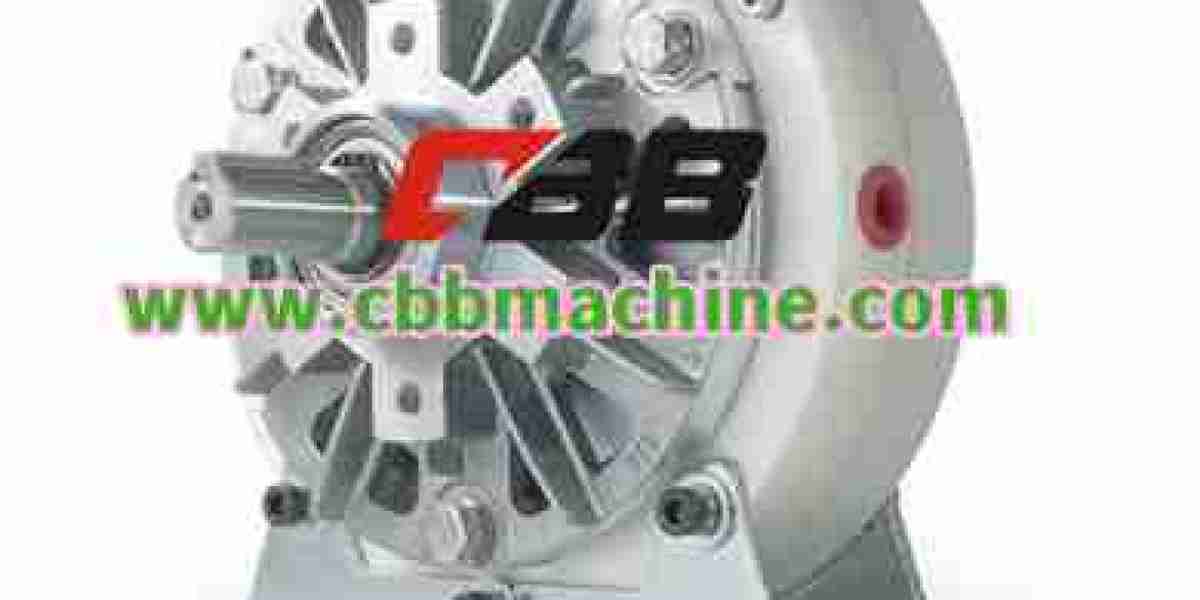

In roll-to-roll manufacturing, a Magnetic Powder Brake supplied by Cbbmachine can help regulate rotational resistance and maintain controlled material movement throughout production. By using magnetic powder to transmit torque, this device provides adjustable braking behavior for applications that require consistent tension management. It can be incorporated into winding, unwinding, printing, laminating, and slitting equipment, where predictable resistance supports coordinated operation and helps operators manage changing material conditions.
Tension control is an important consideration when processing flexible substrates. Paper, plastic film, foil, and textile materials can respond differently to pulling forces, friction, and changes in roll diameter. If tension becomes unstable, materials may wrinkle, stretch, shift, or wind unevenly. A suitable braking arrangement helps operators manage these conditions by providing resistance that can be adjusted to suit the production task.
The operating principle relies on the interaction between magnetic force and specialized powder inside the braking assembly. When an electrical control signal changes the magnetic field, the torque transmitted through the powder can be adjusted. This arrangement allows braking resistance to respond to production requirements without relying solely on conventional mechanical friction. Its controllable behavior makes it useful in processes where smooth adjustment matters more than abrupt stopping or fixed resistance.
One practical advantage is the ability to regulate tension as material rolls change during operation. In an unwinding application, the changing diameter of a supply roll affects the relationship between rotational speed and material movement. A carefully configured control system can adjust braking torque to help compensate for these changes. The appropriate control method depends on machine design, substrate properties, operating speed, and the required tension range.
Equipment compatibility should be reviewed before installation. Factors such as required torque, thermal conditions, mounting arrangements, shaft connections, and available installation space can influence component selection. The brake should also work appropriately with the machine's control system and related equipment. Evaluating these details helps manufacturers establish a practical configuration that fits their production environment.
Thermal management is another important consideration. During braking, mechanical energy is converted into heat, so operating conditions can influence the temperature of the assembly. Appropriate ventilation, installation practices, and adherence to manufacturer recommendations help maintain suitable working conditions. Selecting a device for the intended duty cycle and respecting its operating limits can also support reliable service.
Routine maintenance contributes to consistent performance. Operators should inspect the assembly for unusual noise, excessive heat, mounting looseness, or other changes in operating behavior. Electrical connections and control components should be checked according to the manufacturer's instructions. Keeping the surrounding area clean and ensuring that the installation remains secure can help reduce avoidable interruptions and make maintenance easier to manage.
Different production processes place different demands on braking systems. Printing operations may require careful tension regulation to protect image alignment, while converting applications may prioritize stable feeding and controlled rewinding. Packaging equipment can also benefit from braking arrangements that accommodate variations in material characteristics. Understanding the specific application helps manufacturers determine which control approach and component configuration are appropriate.
Working with a supplier during the selection process can clarify technical requirements before purchasing. Buyers can prepare information about the processed material, roll characteristics, machine structure, control method, and expected operating conditions. These details support a more focused discussion about compatibility, installation, and maintenance considerations.
A well-planned braking system brings together adjustable torque, suitable control methods, and practical equipment integration. By considering the full production process rather than an individual component alone, manufacturers can make informed decisions about material handling and tension management.
Give your production line a more controlled way to move forward. Visit https://www.cbbmachine.com/product/ to review industrial transmission and tension-control solutions. Browse the available options, consider your application's needs, and take the next step toward a braking arrangement that fits your machinery.