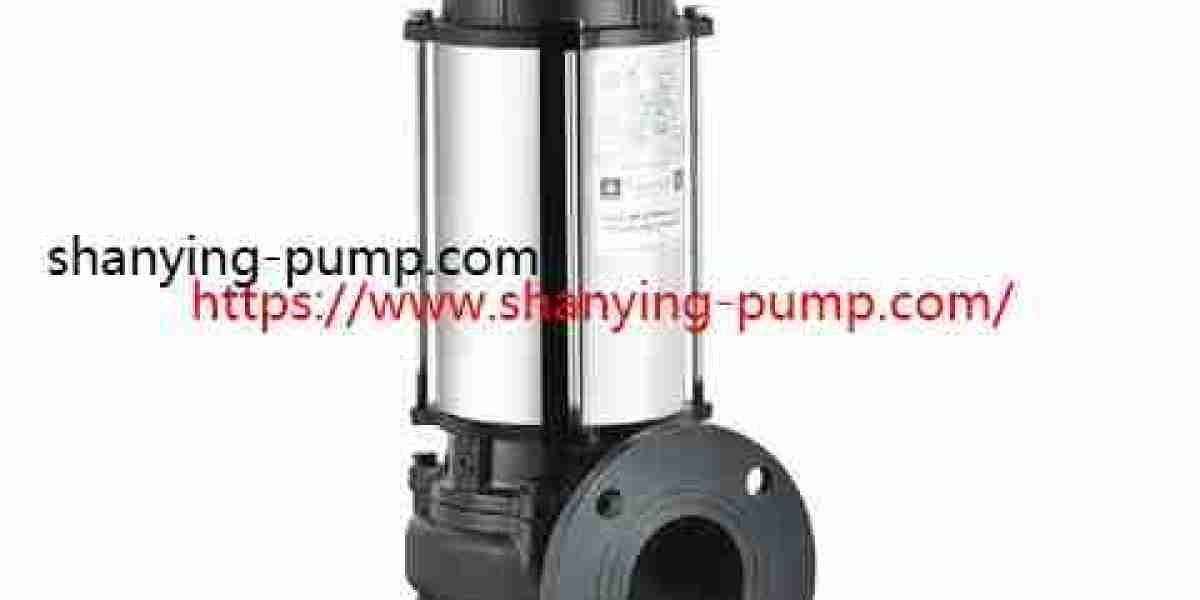

Wastewater systems often handle liquids containing fibrous waste, organic matter, and suspended solids that can interfere with ordinary pumping equipment. When evaluating a Sewage Cutter Pump, buyers should consider how the cutting mechanism, hydraulic structure, construction materials, and installation conditions work together to support wastewater movement. The right equipment depends on the characteristics of the wastewater, the surrounding drainage system, and the maintenance practices available at the installation site.
Material selection is particularly important because sewage pumps operate in environments where moisture, chemical exposure, and abrasive particles may affect component condition. Cast iron is commonly used for pump housings because it provides structural strength for many wastewater applications. Stainless steel may be suitable for selected components where corrosion resistance is important, while specialized alloys or engineered materials may be used for particular operating conditions. The appropriate choice depends on the wastewater composition and the manufacturer's intended application.
The cutting assembly requires separate attention. Blades and cutting plates may encounter repeated contact with fibrous materials and other solids, making wear resistance and structural integrity important considerations. Their geometry and material properties influence how waste is reduced before entering the pumping passage. Buyers should ask about the intended waste types and maintenance requirements rather than assuming that every cutter mechanism can handle all solid materials.
Selecting suitable equipment begins with understanding the source of the wastewater. Residential drainage, commercial kitchens, public facilities, agricultural operations, and industrial sites may produce different waste characteristics. Some systems contain soft organic matter, while others may include textiles, grit, cleaning residues, or unexpected foreign objects. Identifying the likely contents of the wastewater helps buyers determine whether a cutting pump is appropriate or whether another treatment or screening arrangement is necessary.
The relationship between the cutter and impeller is central to the pumping process. The cutting mechanism reduces suitable solids into smaller pieces, helping them pass through the pump's hydraulic pathway. The impeller then transfers energy to the liquid, moving it toward the discharge connection. The effectiveness of the complete system depends on how these elements are designed to work together, along with the condition of the incoming wastewater and the arrangement of the discharge pipework.
A pump should also be evaluated as part of the wider drainage system. Pipe diameter, bends, elevation changes, discharge restrictions, and the location of the receiving tank can influence wastewater movement. Even a suitable pump may perform poorly if the connected system creates excessive resistance or introduces unsuitable material. Buyers should provide installation details and discuss the complete flow route with a qualified supplier before finalizing the equipment selection.
Motor protection is another important technical consideration. Sewage pumps may operate in pits, tanks, or other wet environments, so the motor enclosure, cable entry, seals, and electrical protection need to suit the intended installation. Automatic controls and level switches may also be incorporated into a wastewater system to coordinate operation with changing liquid levels. Their suitability depends on the equipment design and the requirements of the site.
User experience in wastewater management is closely related to installation and servicing. A pump may be installed in a location that is difficult to reach, making lifting arrangements, cable routing, and access for inspection especially important. Clear operating instructions can help maintenance teams understand when to inspect the cutter assembly and how to respond to changes in performance. Planning these details before installation can make routine servicing more manageable.
Maintenance requirements differ according to the wastewater being handled. Fibrous material may accumulate around cutting components, while grit can contribute to wear in internal passages. Seals, bearings, electrical connections, and discharge lines also require attention according to the manufacturer's guidance. Safe isolation of the electrical supply is essential before inspection or maintenance, and repairs involving cutting components should be performed using appropriate procedures and tools.
Equipment design can influence how easily these tasks are carried out. Accessible service covers, practical lifting points, clearly arranged connections, and a stable housing can help maintenance personnel work more efficiently. The arrangement of the intake and cutting assembly should also support the intended installation while allowing the pump to be removed when necessary. A design that considers servicing from the beginning can reduce avoidable complications during the equipment's working life.
Appearance may seem secondary in wastewater equipment, but the external design still affects practical use. A clearly organized housing can help technicians identify connection points and inspection areas, while a durable exterior finish may support easier cleaning. Compact construction can be useful in restricted installations, provided it does not prevent access or conflict with the requirements of the drainage system. Practical design balances structural protection, installation convenience, and maintainability.
Taizhou Shanying Pump Co., Ltd. operates in the water pump industry, serving applications that require suitable equipment for different water-handling needs. When discussing wastewater pumping requirements, buyers can provide details about the waste composition, installation environment, expected operating pattern, discharge arrangement, and available maintenance access. This information helps establish whether a cutter pump is appropriate and which construction features deserve closer evaluation.
Installation planning should also account for how wastewater enters the system and how blockages or abnormal operating conditions will be identified. Screening, access covers, isolation arrangements, and routine inspection procedures may all contribute to a more manageable installation when selected according to site requirements. For further information about Taizhou Shanying Pump Co., Ltd. and its pump products, visit https://www.shanying-pump.com/