
Have you ever looked at an embroidered logo and wondered why it looks smooth and sharp, while another design appears messy or uneven? The difference often starts long before the embroidery machine begins stitching.
A good embroidery design needs more than a clear image. It requires the right stitch types, proper density, clean outlines, and careful planning. This is where reliable embroidery digitizing experts make a real difference.
Whether you want to stitch a company logo, customize clothing, or create products for your embroidery business, professional digitizing can help turn your artwork into a design that works well on fabric.
In this guide, you will learn what embroidery digitizing experts do, how to choose a dependable service, which mistakes to avoid, and how quality digitizing can improve your finished products.
What Do Reliable Embroidery Digitizing Experts Do?
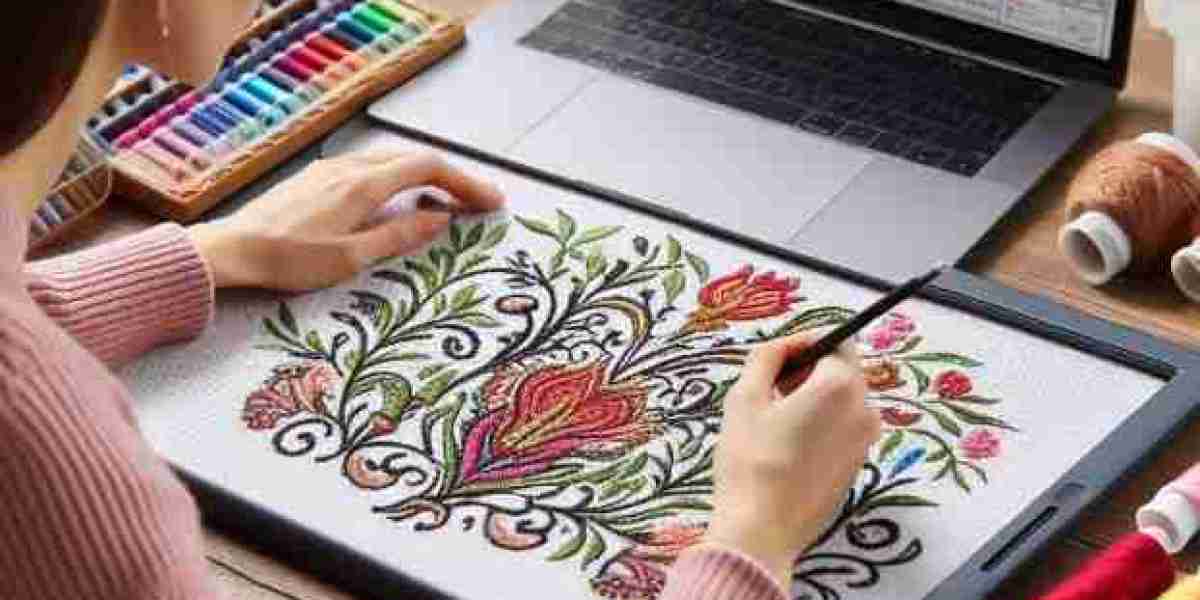
Embroidery digitizing is the process of converting artwork into digital stitch instructions that an embroidery machine can read. It involves planning how the needle will move, which stitches to use, and how different parts of the design will connect.
Reliable embroidery digitizing experts understand that every design has different needs. A small logo on a polo shirt requires a different approach from a large design on the back of a jacket.
Their work may include:
Converting logos and images into embroidery files.
Selecting suitable stitch types for different shapes.
Adjusting stitch density and direction.
Adding underlay stitches for better support.
Applying pull compensation to account for fabric movement.
Planning thread colors and stitch sequences.
Checking the design for gaps, overlaps, and unnecessary jumps.
Exporting the finished file in a compatible machine format.
These steps help create designs that are easier to stitch and more likely to produce consistent results.
Why Professional Digitizing Matters
Imagine trying to draw a detailed picture using only thread and a needle. Every line must have the right thickness, every shape needs proper coverage, and small details must remain clear.
That is what makes embroidery digitizing a specialized skill. A design that looks perfect on a computer screen may not stitch well if its settings are incorrect.
An experienced digitizer considers both the artwork and the physical limits of embroidery. This helps reduce common problems such as thread breaks, fabric puckering, uneven lettering, and poor coverage.
Benefits of Hiring Reliable Embroidery Digitizing Experts
Choosing the right digitizing service can improve the quality of your embroidery projects and make your workflow easier.
1. Cleaner Stitching and Sharper Details
Professional digitizing helps create smooth outlines, balanced stitch angles, and clear shapes. This is especially important for business logos, where even small mistakes can affect the overall appearance.
For example, a company logo embroidered on a uniform should look neat from a normal viewing distance. Properly planned stitches can help preserve its main features without making the design too dense.
2. Better Results on Different Fabrics
Not all fabrics behave the same way. Cotton, denim, fleece, and stretchy materials respond differently when stitched.
Reliable embroidery digitizing experts can adjust stitch settings to suit the intended material. They may change the underlay, density, or pull compensation to help control fabric movement.
However, good digitizing is only one part of the process. Correct hooping, stabilizer selection, thread tension, and machine setup also matter.
3. Fewer Production Problems
Poorly planned stitch paths can create unnecessary thread changes, long jumps, dense areas, and frequent thread breaks.
A carefully prepared embroidery file can reduce avoidable problems and make production more predictable. This is particularly useful for businesses that stitch the same logo on multiple garments.
4. Support for Different Embroidery File Formats
Embroidery machines use different file formats depending on the manufacturer and model.
Common formats include PES, DST, EXP, JEF, VP3, and other machine-specific formats. A dependable service should ask which machine you use and prepare the design in a suitable format.
Remember that changing a filename extension does not convert an image into a valid embroidery file. The artwork must first be digitized into stitch instructions.
5. More Confidence When Handling Customer Orders
If you sell embroidered shirts, caps, jackets, or personalized gifts, quality matters to your customers.
Consistent embroidery helps your products look professional and can reduce the time spent correcting failed designs. Reliable digitizing support also makes it easier to handle artwork that requires special attention.
How to Choose Reliable Embroidery Digitizing Experts
Not every digitizing service offers the same level of skill or support. Before placing an order, take time to compare the important details.
Check the Service's Portfolio
A portfolio can show how well a digitizer handles different types of artwork.
Look for examples featuring:
Company logos and brand symbols.
Small lettering and monograms.
Cap and hat embroidery.
Detailed shapes and curved outlines.
Designs with several thread colors.
Embroidery on different fabrics.
Pay attention to the edges, spacing, stitch coverage, and readability of small details. If possible, review photographs of actual stitched samples rather than relying only on digital previews.
Ask About Machine Compatibility
Before ordering, explain which embroidery machine you use and which format you need.
A dependable service should be willing to confirm the required format and ask about design size, fabric type, and intended placement. These details help the digitizer prepare a more suitable file.
For example, a logo intended for a small cap panel may need different stitch planning from the same logo intended for a large jacket back.
Review Turnaround Time
Turnaround time matters when you have customer deadlines or production schedules.
Ask when the first file will be delivered and whether revisions are included. Be cautious of promises that sound unrealistic, especially when the design contains complex artwork or small details.
A reasonable schedule should allow enough time for careful digitizing and quality checks.
Understand Pricing and Revisions
The cheapest service is not always the best value. A poorly prepared file can cost more in wasted garments, thread, and machine time.
Before ordering, confirm:
Whether pricing depends on stitch count or design complexity.
Whether the quoted price includes the requested file format.
How many revisions are included.
Whether edits for a different design size cost extra.
Whether you can request adjustments after testing the design.
Clear terms can help prevent misunderstandings and unexpected charges.
Evaluate Communication and Support
Good communication is a sign of a dependable working relationship.
A professional digitizer should be able to explain technical choices in simple language, answer questions about file compatibility, and tell you what information is needed to prepare the design correctly.
You should feel comfortable asking for clarification before approving the final file.
What Makes an Embroidery Digitizing Service Truly Reliable?
Reliability involves more than delivering a file on time. It also means producing work that meets the project's needs and responding appropriately when adjustments are necessary.
Attention to Detail
A skilled digitizer checks how shapes connect, how letters are formed, and whether stitch directions suit the artwork.
For small lettering, for example, excessive density can make the letters look thick and crowded. Proper planning helps keep the text readable within the limits of the selected size.
Knowledge of Stitch Types
Different stitches serve different purposes.
Run stitches: Useful for fine lines, light details, and some outlines.
Satin stitches: Often used for lettering, narrow borders, and small raised shapes.
Fill stitches: Suitable for covering larger areas.
Underlay stitches: Provide a supporting foundation beneath top stitches.
Reliable embroidery digitizing experts know when to use these stitch types and how to combine them for a balanced result.
Quality Checks Before Delivery
A finished file should be reviewed before it reaches the customer. Depending on the project, this may involve checking the stitch simulation, color sequence, design dimensions, and stitch paths.
For demanding designs, a physical test stitch can reveal issues that are difficult to identify on screen.
Common Embroidery Digitizing Problems and How Experts Solve Them
Understanding common problems can help you recognize quality work and explain your needs more clearly.
Uneven Outlines
Outlines may look uneven when stitch paths are poorly planned or the fabric shifts during stitching.
Possible solution: Review stitch direction, object alignment, pull compensation, and stabilizer choice.
Gaps Between Design Elements
Small gaps may appear where two shapes meet or where fabric movement affects the final placement.
Possible solution: Adjust object overlaps, sequencing, and pull compensation while considering the fabric and design size.
Thread Breaks
Thread breaks can result from excessive density, unsuitable needles, poor threading, damaged thread, or machine tension issues.
Possible solution: Check the machine setup and review dense areas of the embroidery file. Not every thread break is caused by digitizing.
Small Text That Is Hard to Read
Fine lettering can lose clarity when the design is too small or the stitch settings are unsuitable.
Possible solution: Increase the text size where possible, simplify the lettering, and use appropriate stitch settings for the fabric.
Fabric Puckering
Puckering can occur when the fabric moves or becomes distorted during stitching. Dense designs and poor stabilization may contribute to the problem.
Possible solution: Review the design density, underlay, stabilizer, hooping method, and machine tension together.
These examples show why effective digitizing requires both technical knowledge and an understanding of how embroidery behaves in real conditions.
Tips for Getting the Best Results From Your Digitizing Service
You can help your digitizer produce a better file by providing clear instructions from the start.
Send the best available artwork. A clean, high-resolution logo is easier to interpret than a blurry image.
Specify the finished size. State the required width and height rather than relying on the original image dimensions.
Explain the fabric type. Tell the digitizer whether the design will go on a T-shirt, cap, jacket, towel, or another material.
Identify your embroidery machine. Provide the model and required file format.
Mention small details. Explain which elements must remain readable and which can be simplified.
Review the preview carefully. Check the design's proportions, lettering, and color order before approving it.
Test the file when needed. For important orders, stitch a sample on similar fabric before beginning full production.
These simple steps can reduce confusion, save time, and help the digitizer understand exactly what you need.
Is Professional Embroidery Digitizing Worth the Cost?
Professional digitizing can be a worthwhile investment when the design must look consistent, fit a specific area, or be used for customer orders.
Consider a small business producing 50 embroidered shirts with the same logo. If the file contains poor stitch settings, the business may lose time correcting errors or replacing damaged garments.
A properly prepared design can help reduce these risks. The value comes not only from the digital file but also from the time saved and the improved chance of achieving a consistent result.
For simple personal projects, learning to digitize designs yourself may be a practical option. For detailed logos, production work, or challenging fabrics, professional support can help you avoid a steep learning curve.
Conclusion
Reliable embroidery digitizing experts help turn ordinary artwork into practical stitch files that are ready for compatible embroidery machines. Their work involves choosing suitable stitch types, adjusting density, planning underlay, and checking how the design will behave on fabric.
When choosing a service, review its portfolio, ask about machine compatibility, compare pricing, and confirm its revision policy. Provide clear artwork and project details so the digitizer can prepare a file that meets your needs.
Most importantly, do not judge embroidery quality by the digital preview alone. The best results come from careful digitizing, suitable machine settings, and testing when necessary.
Whether you are creating personalized gifts or producing embroidered products for customers, working with the right digitizing professional can help you achieve cleaner, more consistent results.
FAQs About Reliable Embroidery Digitizing Experts
1. What do reliable embroidery digitizing experts do?
They convert artwork into machine-readable stitch files, select suitable stitch types, adjust density and underlay, and prepare designs for the intended fabric, size, and embroidery machine.
2. How much does professional embroidery digitizing cost?
The cost varies based on design complexity, stitch count, size, turnaround time, and revision requirements. Request a quote based on your specific artwork and intended use.
3. Which file format should I request for my embroidery machine?
The correct format depends on your machine model and software. Common options include DST, PES, EXP, JEF, and VP3. Check your machine manual before ordering.
4. How can I tell whether an embroidery digitizing service is reliable?
Review its portfolio, inspect actual stitched samples when available, check communication quality, confirm file compatibility, and ask about delivery times and revisions.
5. Can professional digitizing improve embroidery quality?
Yes. Good digitizing can improve stitch placement, coverage, lettering, and design consistency. However, final results also depend on the fabric, stabilizer, thread, machine setup, and operator's technique.