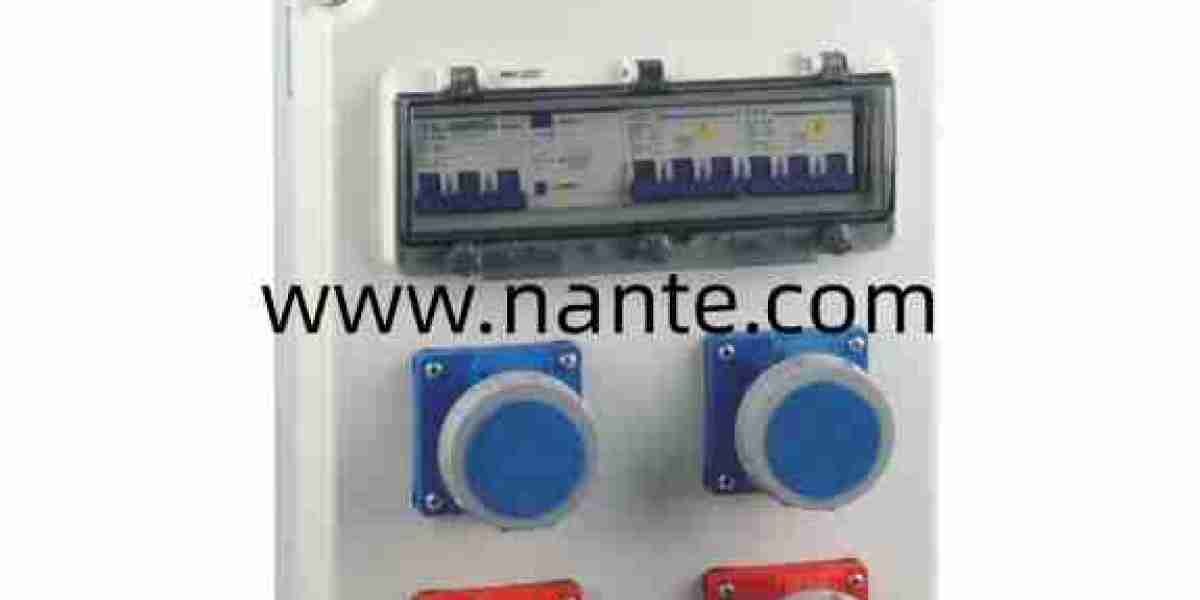

Electrical connection points are often overlooked during machinery design, yet their positioning can influence how conveniently equipment is installed, operated, and maintained. An Angled Panel Mounted Industrial Socket from Nante provides a practical connection solution for industrial control panels, machinery housings, and electrical distribution assemblies. Its angled configuration offers an alternative to conventional straight-mounted arrangements, helping designers consider accessibility, cable direction, and available installation space when planning electrical interfaces.
In industrial environments, panel space is frequently shared by switches, indicators, protective devices, control components, and connection terminals. Adding electrical outlets to an already occupied surface requires careful planning. A socket with an angled mounting arrangement can provide a more convenient connection orientation, particularly where direct access from the front is restricted or where connected cables need to follow a particular direction.
The mounting structure is an important part of this product category. A suitable panel-mounted socket should fit securely into its designated opening while maintaining a stable connection with the surrounding enclosure. Compatibility between the mounting dimensions, panel thickness, and installation method should be checked before purchasing. Proper fitting helps prevent unnecessary movement and supports a neat electrical assembly.
Cable management is another practical consideration. Industrial plugs and cables may extend into areas where other equipment is installed or where operators regularly perform maintenance. The orientation of the socket can influence how cables leave the connection point and move around nearby components. A carefully selected arrangement can help reduce awkward cable positioning, improve workspace organization, and make connected equipment easier to access.
Electrical compatibility must also guide product selection. Different machines and industrial applications operate with different voltage, current, frequency, and connection requirements. Buyers should confirm that the socket configuration, contact arrangement, rated electrical characteristics, and compatible plug type correspond with the intended equipment. Selecting a product based on appearance alone may result in an unsuitable connection.
Environmental conditions deserve equal attention. Industrial panels may be installed in workshops, production areas, outdoor equipment enclosures, or locations exposed to dust and moisture. Depending on the application, users may need to consider housing materials, sealing arrangements, ingress protection, and resistance to mechanical impact. The complete installation should meet the environmental requirements of its operating location.
The socket's role in daily equipment operation is also worth considering. Operators may need to connect portable machinery, maintenance tools, or auxiliary electrical devices during routine work. A conveniently positioned connection point can simplify these activities and reduce the need for complicated cable routing. For equipment designers, this small installation detail can contribute to a more practical and accessible panel layout.
Maintenance teams benefit from clear and organized electrical assemblies as well. When connection points are positioned logically, inspecting plugs, checking cable conditions, and identifying individual circuits can become easier. Appropriate installation practices, secure wiring, and regular inspections help maintain the condition of the electrical connection system. All installation and servicing activities should follow applicable electrical safety requirements.
For manufacturers of industrial machinery and electrical enclosures, selecting connection accessories should be part of the overall design process. Panel dimensions, equipment arrangement, cable direction, operating environment, and maintenance access should be evaluated together. Considering these factors early can help avoid unnecessary modifications during installation and support a more coherent equipment layout.
An electrical panel is more than a collection of components; it is the control and connection center of a working machine. Even the orientation of a socket can influence how naturally everything fits together.
Give your next panel design a fresh angle. Visit https://www.nante.com/product/ to take a closer look at industrial electrical connection solutions and find ideas for your next equipment project. Sometimes, a better-designed connection begins with simply looking at the panel differently.