
Convenience in personal transportation often begins with thoughtful product construction. A Lightweight Scooter Factory such as Sweetrichmobility approaches mobility equipment through a combination of material planning, structural engineering, and user-oriented design. Rather than focusing on appearance alone, the manufacturing process considers how every component contributes to portability, handling, and everyday practicality.
Reducing product weight requires careful decisions throughout the design process. Manufacturers need to consider the relationship between frame materials, structural connections, wheel assemblies, and electrical components. Each part has a specific purpose, so changes to one element may influence the arrangement of others. A coordinated approach helps maintain a suitable balance between manageable weight and functional construction.
Material selection plays an important role in this process. Different materials offer different characteristics in terms of strength, flexibility, durability, and processing requirements. Engineers must evaluate how these properties relate to the intended product structure. The objective is to develop a construction that supports everyday operation while keeping transportation and storage considerations in mind.
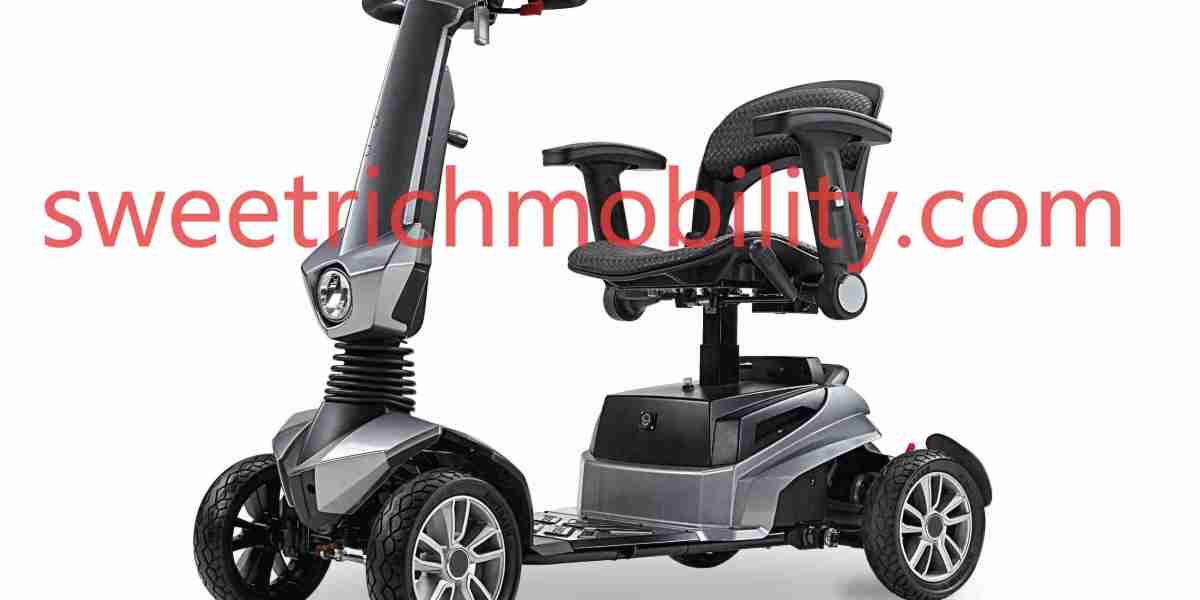
The frame is particularly important because it connects many of the scooter's essential components. Its geometry influences the position of the seat, wheels, battery, motor, and steering system. A carefully planned frame can also provide opportunities for a more compact appearance. Manufacturers therefore need to consider both the mechanical requirements and the visual presentation of the finished product.
Portability is closely related to product dimensions and folding arrangements. Some users need equipment that can fit into limited storage spaces, while others may want a scooter that is convenient to transport during trips. Folding mechanisms, removable components, and accessible adjustment points can contribute to these requirements. Their design should be straightforward, allowing users to understand how the equipment can be prepared for storage or transportation.
Another essential consideration is handling. A lightweight structure should still provide a comfortable operating experience. Wheel configuration, handlebar positioning, steering response, and control accessibility all influence how a scooter feels during use. Manufacturers need to evaluate these elements as a connected system rather than treating them as separate design features.
Comfort should not be overlooked when developing compact mobility equipment. Seat shape, cushioning, backrest support, armrest placement, and foot platform dimensions influence the relationship between the user and the product. Even when a scooter is designed with portability in mind, these details remain relevant to its practical purpose.
For businesses purchasing mobility equipment, product consistency and manufacturing communication also matter. Retailers and distributors often need clear information about available configurations, component options, exterior finishes, and packaging arrangements. Organized product documentation makes it easier to compare different models and introduce suitable options to customers.
Production management involves several coordinated stages, including material preparation, component processing, frame assembly, electrical installation, and finished-product inspection. Attention to assembly details helps manufacturers identify potential issues and maintain consistency between different production batches. Particular care is useful when checking structural connections, folding components, and electrical interfaces.
The market for personal mobility equipment includes people with different routines and transportation preferences. Some customers value convenient storage, while others focus on handling, seating arrangements, or visual design. Understanding these distinctions gives manufacturers useful direction when planning product collections and considering future adjustments.
Sustainability of product use is another consideration worth including in the development process. Accessible components and understandable structural arrangements can make routine maintenance more convenient. When replacement and servicing requirements are considered during initial design, manufacturers can also provide clearer information to distributors and service partners.
Ultimately, lightweight mobility equipment is created through a series of connected decisions. Material choices, frame geometry, component positioning, and user comfort all contribute to the finished product. A thoughtful manufacturing approach brings these elements together to support practical transportation without overlooking everyday usability.
A fresh mobility concept may begin with a closer look at how a product is designed from the inside out. Visit https://www.sweetrichmobility.com/product/ , browse the available scooter designs, and see how different construction ideas could complement your next business project. Your next product direction might be lighter than you imagine.