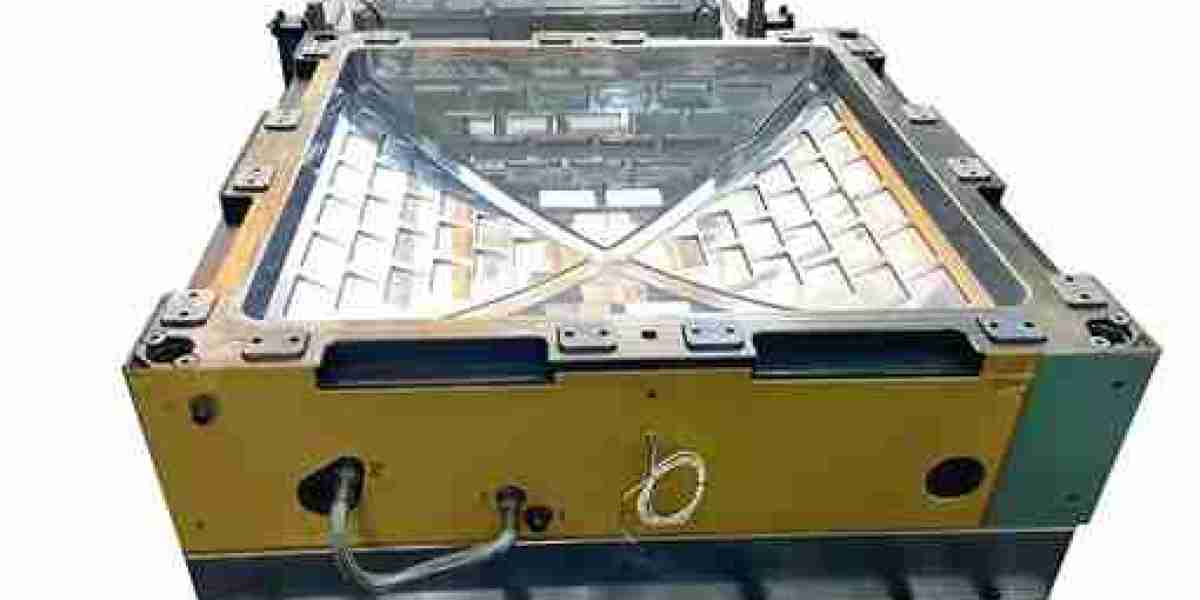

BMC Mould purchasing requires careful consideration of product specifications, material characteristics, manufacturing equipment, and long-term production plans. For industrial buyers, selecting suitable tooling is not simply a matter of comparing prices or reviewing external dimensions. The design must correspond with the intended component, processing conditions, and quality expectations. Preparing these details before requesting a quotation can help both parties establish a clearer technical direction and reduce avoidable adjustments during manufacturing.
Prepare Complete Product Drawings and Requirements
The first step is to provide accurate product information. Buyers should prepare dimensional drawings, three-dimensional models, material specifications, and details about the component’s intended application. These documents allow the engineering team to examine the geometry and identify features that may influence tooling design.
Special attention should be given to wall thickness, ribs, bosses, openings, mounting positions, and complex curved surfaces. Such features can affect material distribution, filling behavior, dimensional stability, and part removal. If the component contains metal inserts or specific assembly areas, these requirements should also be communicated before the design is finalized.
It is also useful to classify product dimensions according to their functional importance. For example, dimensions related to electrical installation or mechanical assembly may require closer inspection than non-functional exterior areas. A clear drawing with marked critical dimensions gives the manufacturer a practical reference during design and inspection.
Confirm Compound Characteristics Before Tooling
Material selection has a direct relationship with the mold structure and processing arrangements. Buyers should provide the intended compound grade and relevant technical information, including reinforcement content, curing characteristics, shrinkage behavior, and recommended processing conditions.
Different formulations may respond differently during molding. Their flow characteristics and curing behavior can influence gate positions, venting arrangements, cavity dimensions, and temperature management. If the material specification changes after the tooling design has been approved, some design details may need to be reviewed again.
Buyers should therefore avoid treating material selection as a detail that can be decided later. If alternative formulations are being considered, inform the manufacturer during the initial discussion. This allows the engineering team to evaluate whether the proposed structure can accommodate the expected material requirements.
Examine Cavity Layout and Part Removal
The cavity structure should reflect the component's shape and production quantity. Buyers need to discuss the number of cavities, parting-line positions, insert arrangements, and any special structural features with the manufacturer.
A component with deep ribs, narrow sections, or complicated internal geometry may require additional attention during the design review. The engineering team should consider how the compound enters the cavity, where air may become trapped, and how the finished component will be removed after curing.
Demolding is particularly important for parts with undercuts or detailed surface features. Ejector arrangements, draft angles, and removable inserts should be evaluated according to the actual geometry. If these details are overlooked, trial production may reveal sticking, surface marks, or difficulties during part removal.
Buyers should request drawings or design explanations showing the main cavity components and their working relationships. This makes it easier to discuss potential design adjustments before manufacturing begins.
Review Heating and Equipment Compatibility
Temperature management is another important purchasing consideration. Buyers should confirm whether the proposed tooling can operate with the available production press and heating system. Relevant information may include platen dimensions, clamping capacity, operating temperature, electrical connections, and installation requirements.
The heating arrangement should be considered in relation to the component's dimensions and material behavior. Temperature distribution can influence curing conditions and the consistency of finished parts. Buyers can ask how heating elements are positioned, how temperature is monitored, and whether different areas require separate control.
Equipment compatibility should also be checked before the order is confirmed. A design that does not match the buyer's press dimensions or operating conditions may require changes to the tooling or production setup. Sharing equipment specifications at an early stage helps avoid this type of project uncertainty.
Establish Trial and Inspection Criteria
Before production starts, both parties should agree on how the finished components and tooling will be evaluated. Buyers can prepare an inspection list covering critical dimensions, surface appearance, insert positioning, flash, filling condition, and demolding performance.
Trial molding provides an opportunity to examine whether the design works under the agreed processing conditions. However, a successful trial should be assessed against measurable requirements rather than general impressions. Buyers should identify which dimensions need measurement, what appearance conditions are acceptable, and how samples will be recorded.
It is also useful to request a trial report containing relevant process information and inspection results. If adjustments are required, the report can help identify whether the issue relates to tooling structure, material conditions, or processing parameters. Clear records make technical communication more efficient throughout the project.
Consider Maintenance and Future Production
A tooling project should be evaluated beyond its initial delivery. Buyers need to understand how the mold will be cleaned, inspected, repaired, and stored between production runs.
Areas exposed to material residue, repeated contact, or mechanical movement may require regular inspection. Replaceable inserts, accessible fastening points, and practical maintenance procedures can make routine servicing easier. Buyers should ask whether spare components are available and how technical support is arranged when modifications become necessary.
Production plans should also be considered. If demand may increase or the product design could change, discuss these possibilities before confirming the final structure. Early planning can help determine whether the tooling arrangement is suitable for the expected production schedule and future revisions.
Evaluate the Manufacturer Through Technical Communication
A supplier's quotation should be reviewed together with its engineering explanation. Buyers can compare the proposed scope, material specifications, machining details, inspection arrangements, delivery schedule, and after-sales support.
Clear communication is particularly valuable when a project involves customized components. Buyers should know who will review drawings, confirm technical changes, provide progress information, and coordinate trial feedback. These responsibilities should be discussed before the order is placed.For industrial customers planning a new composite component project, compositemould focuses on customized tooling requirements and communication throughout the development process. Sharing product drawings, compound information, press specifications, and inspection expectations can help the engineering team understand the project before preparing a proposal. Buyers can review available tooling solutions and product information at https://www.compositemould.com/product/ and use the relevant details to begin a technical discussion about their upcoming manufacturing requirements.