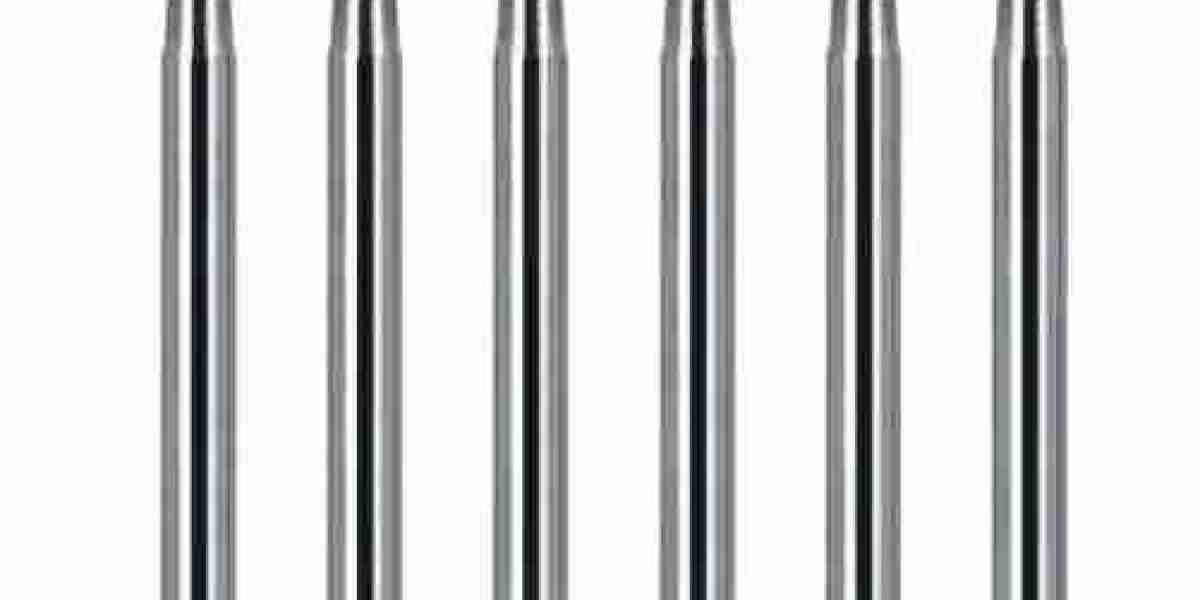

Long Shank Burs are used in machining applications where standard cutting tools may not easily reach recessed surfaces, narrow openings, or deep internal sections. For industrial buyers, selecting an appropriate model requires more than checking its overall length. Cutting head geometry, working dimensions, material composition, machine compatibility, and manufacturing consistency all deserve attention. A structured purchasing process helps buyers identify suitable specifications and reduce the possibility of choosing products that do not match their actual production conditions.
Identify the Application Before Selecting a Product
The first step is to understand where and how the tool will be used. Different workpieces create different machining challenges. Some operations involve removing burrs from internal edges, while others require surface correction inside cavities or finishing around narrow channels.
Buyers should consider the workpiece material, internal structure, machining depth, opening dimensions, and required surface condition. These details help determine the cutting head size and overall tool configuration.
It is also useful to distinguish between rough material removal and detailed finishing. A production line handling large metal components may have different requirements from a workshop processing small precision parts. Providing drawings, photographs, or sample components can help a supplier understand the intended operation more accurately.
Compare Cutting Head Geometry
The cutting head plays a major role in determining which surfaces can be processed effectively. Buyers should compare different shapes according to the contours and dimensions of their workpieces.
Cylindrical profiles may be suitable for certain flat surfaces and edge treatments. Ball-shaped designs can be considered for curved areas, while pointed or tapered profiles may provide access to specific corners and narrow sections. The final choice should reflect the actual machining path rather than appearance alone.
Tooth design is another important consideration. Different cutting patterns influence chip removal, material engagement, and surface results. Buyers should explain whether they need general deburring, controlled material removal, or detailed finishing.
Before placing an order, request product drawings and confirm the cutting head diameter, profile, and usable dimensions. This information makes comparisons between models more practical and helps technical teams check whether a proposed product can fit the intended task.
Confirm Overall Dimensions and Equipment Compatibility
Extended-reach tools are often selected because the working area is difficult to access. However, a longer design can also introduce additional operating considerations. Buyers should evaluate the required reach alongside machine capability and workpiece geometry.
Start by checking the overall length, cutting head dimensions, connection diameter, and holder requirements. These measurements should correspond with the collet or holding system used by the machine. Proper clamping is important for maintaining stable operation.
Machine specifications should also be reviewed before production use. Buyers should confirm the compatible operating range and follow the supplier's guidance on rotational speed. Operating conditions should not be estimated from length alone, since the cutting head size and product construction also matter.
During machining, excessive pressure and unsuitable operating conditions may affect tool behavior. Operators should follow the product instructions, use appropriate protective equipment, and maintain a controlled working procedure. These checks are particularly relevant when introducing a new model into an established production line.
Ask About Material and Quality Inspection
Material information helps buyers assess whether a product is appropriate for the intended workpiece and operating conditions. Ask the supplier about the carbide grade, material specifications, and relevant manufacturing processes.
Quality inspection should cover dimensions that influence machine compatibility and machining results. Depending on the product design, buyers may wish to review cutting head diameter, concentricity, overall dimensions, and visual condition.
Sample testing provides another useful reference. A representative sample can be evaluated on the actual workpiece or a suitable test component. The technical team can then review cutting behavior, accessibility, surface finish, and compatibility with existing equipment.
For bulk purchasing, consistency between production batches is also worth discussing. Buyers can ask how dimensional checks are conducted and whether inspection records are available. Clear acceptance requirements established before ordering can help both parties understand the expected product condition.
Evaluate Supplier Communication and Customization
A supplier should be able to understand the application and communicate product details clearly. Buyers can prepare a list of questions covering available profiles, dimensions, material information, sample arrangements, packaging, and production schedules.
For applications involving unusual cavities or restricted access, standard specifications may not fully address the machining requirements. In these situations, provide technical drawings and explain the required working dimensions. The supplier can then review whether an available configuration is suitable or whether a customized option can be discussed.
carbidebursfactory provides carbide cutting tool options for different industrial machining needs. Buyers can share their workpiece details, expected quantities, and technical requirements when making an inquiry. This gives both sides a clearer basis for discussing product selection and order arrangements.
Compare the Complete Purchasing Requirements
Price is only one part of a procurement decision. Buyers should also consider product suitability, inspection arrangements, sample feedback, order flexibility, and communication efficiency.
A comparison sheet can make the evaluation process easier. Include cutting head geometry, overall dimensions, material specifications, equipment compatibility, inspection requirements, and delivery conditions. Reviewing these factors together helps purchasing teams assess whether a product meets their production needs.It is also useful to keep confirmed specifications in written order documents. Recording the selected model, dimensions, quantity, packaging details, and inspection expectations can reduce misunderstandings during repeat orders.Choosing a suitable product begins with accurate application information and continues through technical review, sample evaluation, and supplier communication. carbidebursfactory welcomes inquiries from buyers seeking carbide tooling options for different machining conditions. To review product information and discuss your requirements, visit https://www.carbidebursfactory.com/